Avoidance of Risky Substances
Reducing exposure to behaviors that drive chronic disease
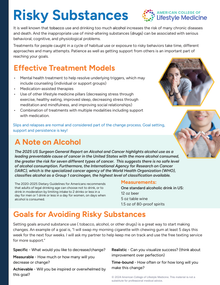
The use of tobacco, excessive alcohol, and other harmful substances is strongly associated with poor health outcomes and chronic disease progression. Lifestyle medicine supports sustainable reduction and elimination of these risk factors.
The consumption of harmful substances, particularly alcohol, is associated with unhealthy dietary habits. Alcohol, being toxic to the body, is present in beverages that are calorie-dense and frequently result in the intake of high-fat foods during, after, or while recovering from drinking sessions. Research indicates that drinking alcohol prior to a meal result in higher calorie consumption during the meal. Additionally, heavy or binge drinking is also associated with poor compliance to healthy eating recommendations.
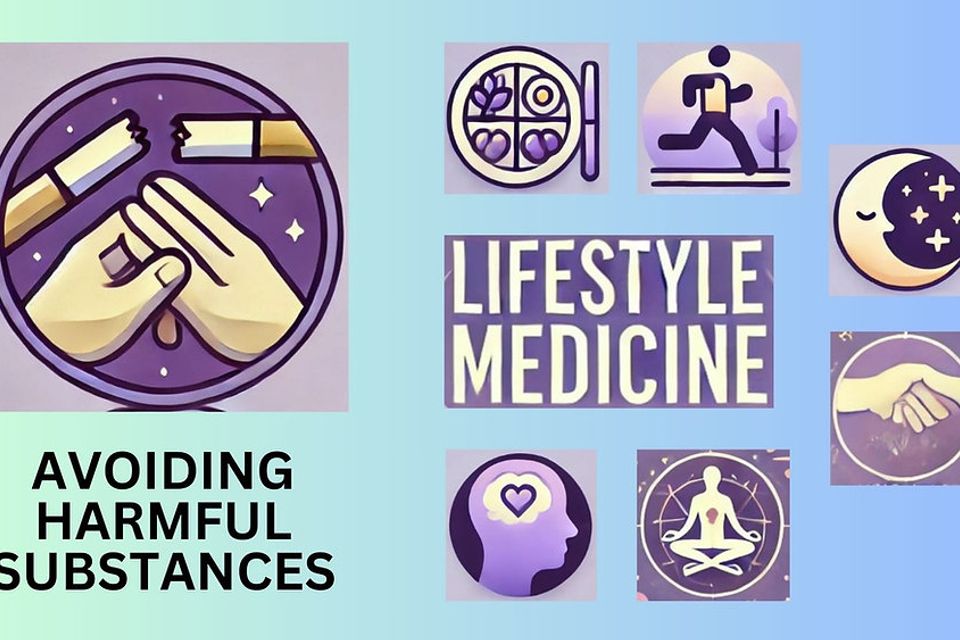
These points highlight why healthcare providers should not view nutrition in isolation when aiding patients in developing and maintaining healthy eating habits. By considering nutrition alongside factors such as physical activity, sleep, stress management, supportive social connections, and minimizing risky substances, we can achieve more effective and enduring health outcomes. Genuine health transformation takes place when we understand the interrelationships among the various pillars of lifestyle medicine and apply them comprehensively in patient care. Only then can we truly harness the full potential of food as medicine and its capacity to enhance health.
The use of tobacco, excessive alcohol, and other harmful substances is strongly associated with poor health outcomes and chronic disease progression. Lifestyle medicine supports sustainable reduction and elimination of these risk factors.
The consumption of harmful substances, particularly alcohol, is associated with unhealthy dietary habits. Alcohol, being toxic to the body, is present in beverages that are calorie-dense and frequently result in the intake of high-fat foods during, after, or while recovering from drinking sessions. Research indicates that drinking alcohol prior to a meal result in higher calorie consumption during the meal. Additionally, heavy or binge drinking is also associated with poor compliance to healthy eating recommendations.
These points highlight why healthcare providers should not view nutrition in isolation when aiding patients in developing and maintaining healthy eating habits. By considering nutrition alongside factors such as physical activity, sleep, stress management, supportive social connections, and minimizing risky substances, we can achieve more effective and enduring health outcomes. Genuine health transformation takes place when we understand the interrelationships among the various pillars of lifestyle medicine and apply them comprehensively in patient care. Only then can we truly harness the full potential of food as medicine and its capacity to enhance health.