
Restorative Sleep
Optimizing recovery, metabolism, and long-term health
Sleep is a critical determinant of metabolic and cognitive function. Inadequate sleep disrupts hormonal balance, increasing appetite and risk for chronic disease. Consistent, high-quality sleep is essential for effective disease prevention and recovery.
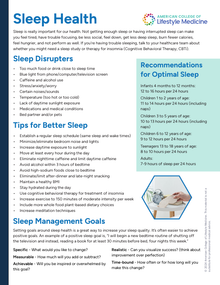
Like nutrition, the quality of our sleep plays a significant role in our physical and mental energy. Therefore, when one source of energy diminishes, we often seek to make up for it with an increased craving for the other. Lack of sleep raises ghrelin levels, the hormone responsible for signaling hunger to the brain, while it decreases the levels of leptin, which helps to curb appetite. This hormonal imbalance results in heightened hunger and increased cravings for food rich in sugars, fats, and salts. Recommendations suggest striving for seven to nine hours of sleep per night. Employing an eye mask to block external light or using a white noise machine to mask outside sounds could be beneficial.
Sleep is a critical determinant of metabolic and cognitive function. Inadequate sleep disrupts hormonal balance, increasing appetite and risk for chronic disease. Consistent, high-quality sleep is essential for effective disease prevention and recovery.
Like nutrition, the quality of our sleep plays a significant role in our physical and mental energy. Therefore, when one source of energy diminishes, we often seek to make up for it with an increased craving for the other. Lack of sleep raises ghrelin levels, the hormone responsible for signaling hunger to the brain, while it decreases the levels of leptin, which helps to curb appetite. This hormonal imbalance results in heightened hunger and increased cravings for food rich in sugars, fats, and salts. Recommendations suggest striving for seven to nine hours of sleep per night. Employing an eye mask to block external light or using a white noise machine to mask outside sounds could be beneficial.